

Optimizing Canadian E-commerce Returns: Streamline & Save
High return rates eroding your profits? Our guide for Canadian e-commerce businesses shows how to streamline returns, cut costs, and improve customer loyalty.
Published
Table of Contents
23 sections
Table of Contents
23 sections
For every $1 billion in sales, the average Canadian retailer faces over $100 million in merchandise returns. This staggering figure represents more than just lost revenue; it signifies a massive operational burden, a potential point of customer friction, and a significant environmental footprint. Many businesses view this cost as an unavoidable tax on doing business online. But what if a significant portion of that expense could be reclaimed, not just as recaptured profit, but as a powerful investment in unbreakable customer loyalty? The key lies in shifting perspective: stop treating returns as a problem to be minimized and start seeing them as a strategic opportunity to be optimized.
This transformation is no longer optional for ambitious Canadian brands. As the e-commerce landscape matures, customer expectations, shaped by global giants, demand a seamless, transparent, and hassle-free post-purchase experience. A clunky, slow, or expensive return process is one of the fastest ways to lose a customer forever. Conversely, a brilliant return experience can salvage a sale, convert a refund into an exchange, and solidify a customer’s trust in your brand, dramatically increasing their lifetime value. For businesses operating within Canada’s unique and challenging geography, mastering the art of e-commerce returns in Canada is the next frontier for sustainable growth and competitive differentiation.
The Strategic Shift: Why Returns Are a Critical Growth Lever
Historically, the corporate boardroom viewed reverse logistics as a pure cost center, a messy operational necessity delegated to the warehouse floor. The primary goal was simple: process returns as cheaply as possible. This mindset is now dangerously outdated. In the modern digital marketplace, the return is a pivotal touchpoint in the customer journey, often holding more weight in the customer's memory than the initial purchase itself. A positive experience solidifies trust, while a negative one can trigger vocal complaints on social media and ensure that customer, along with their network, never buys from you again.
The strategic importance of returns is amplified by a few key factors. First, the cost of acquiring a new customer continues to rise, making customer retention paramount. Data consistently shows that a customer who has a positive return experience is more likely to shop with a brand again than a customer who never made a return at all. They have stress-tested your customer service and found it reliable, which builds a level of confidence that marketing alone cannot achieve.
Second, returns provide an invaluable, unfiltered stream of data about your products, marketing, and operations. Are customers consistently returning a specific sweater because the colour is different from the photos? Is a particular electronic device failing at a higher-than-normal rate? This feedback loop, when properly analyzed, is a goldmine for product development, merchandising, and marketing teams. Ignoring it is like ignoring your most honest and critical focus group. By reframing returns from a financial drain to a strategic intelligence asset, businesses can begin the essential work of optimizing their entire value chain.
Diagnosing the True Cost of Your Canadian E-commerce Returns
To effectively manage returns, you must first understand their full financial impact. Many merchants only track the most obvious expenses, like return shipping labels and refund amounts, but this is merely the tip of the iceberg. The total cost of a return seeps into nearly every corner of your operations, and a comprehensive audit is the first step toward effective optimization.
Beyond Shipping Fees: Uncovering Hidden Return Expenses
The visible cost of a prepaid shipping label is straightforward, but the journey of a returned product is laden with hidden operational expenses. Consider the labour involved: a customer service agent may spend time authorizing the return, a warehouse employee must receive the package, open it, inspect the item for damage, and decide its fate. Each of these steps consumes valuable employee time and contributes to payroll costs that are often not allocated directly to the returns process.
Furthermore, there is the cost of processing and repackaging. If the item is in perfect condition, it may still require new packaging, tags, or protective wrapping before it can be resold. If it is lightly used or damaged, it may need to be refurbished, cleaned, or discounted for a clearance sale, directly eroding its potential margin. The warehouse space occupied by returned goods, often in a designated "returns purgatory," also represents a real overhead cost that could otherwise be used for fast-moving, profitable inventory.
The Opportunity Cost of Inefficient Reverse Logistics
Perhaps the most significant and frequently overlooked cost is the opportunity cost. Every day an item spends in transit or waiting to be processed is a day it cannot be sold to another customer. In the fast-paced world of fashion or seasonal goods, this delay can mean the difference between selling an item at full price and having to liquidate it at a deep discount. This is where reverse logistics Canada becomes particularly challenging; the vast distances can extend processing times and lock up valuable capital in "in-limbo" inventory.
This inefficiency also has a ripple effect on your inventory management systems. When returned stock isn't processed and returned to available inventory quickly, your website might show "out of stock" for an item you actually have, leading directly to lost sales. Accurate, real-time inventory data is impossible without an efficient, integrated returns process, and the resulting stockouts or overstocks can cripple profitability.
Quantifying the Brand Damage of a Poor Return Experience
The final, and potentially most devastating, cost is the damage to your brand. A 2021 survey found that 84% of consumers will not shop with a retailer again after a bad return experience. The financial impact of this customer churn is enormous. A single unhappy customer doesn't just represent one lost sale; they represent the loss of their entire future lifetime value with your company.
In the age of social media, one negative experience can be broadcast to thousands of potential customers, poisoning the well for future acquisition efforts. Positive reviews often mention product quality, but negative reviews frequently focus on poor customer service, especially difficult returns. The cost of acquiring new customers to replace the ones you have alienated through a frustrating returns process is a steep and unnecessary tax on your marketing budget.
Building a Return Policy That Balances Profit and Customer Loyalty
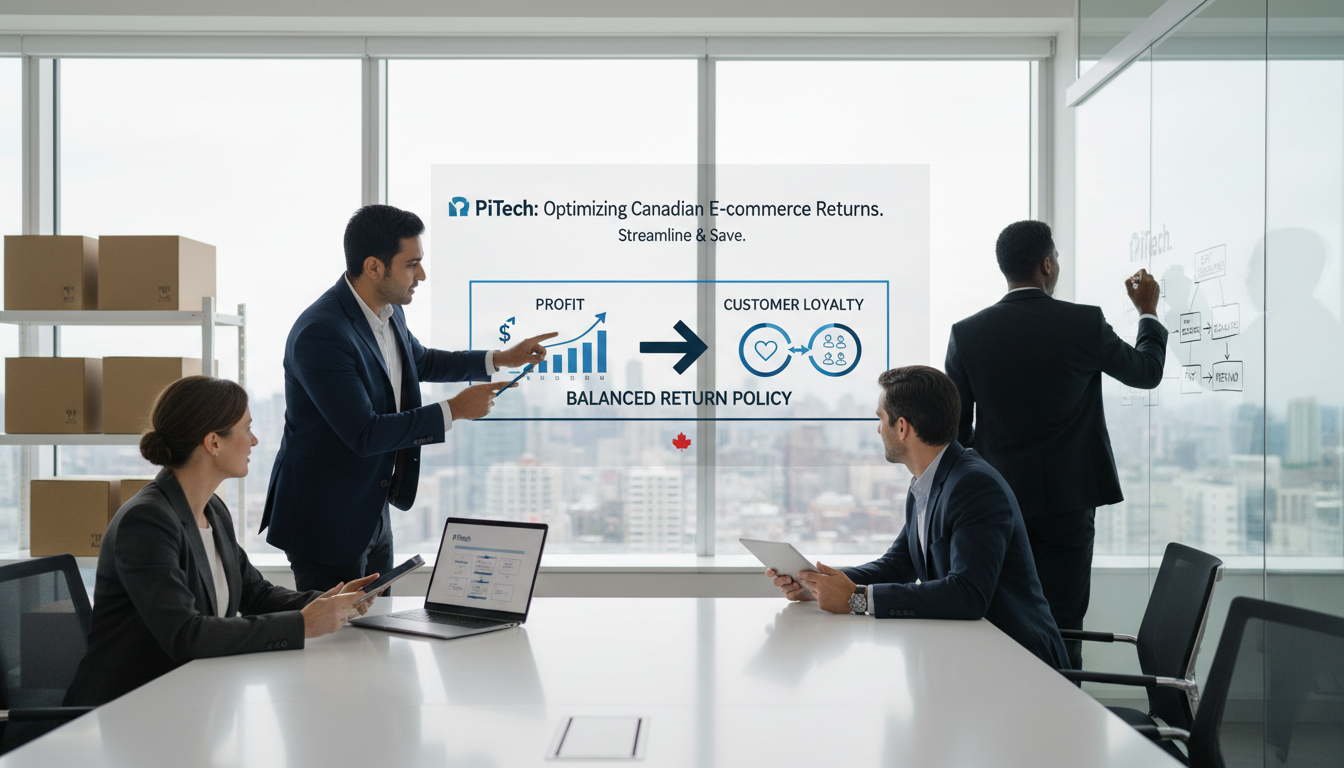
Your return policy is not just a legal document; it is a marketing statement and a declaration of your brand's confidence in its products. A well-crafted policy can be a powerful tool for conversion and retention, while a restrictive or confusing one can deter potential buyers before they even add an item to their cart. The goal is to strike a delicate balance that protects your bottom line without alienating your valuable customers.
The Psychology of a "Customer-First" Return Policy
Generous return policies function as powerful psychological trust signals. Offering free returns, a long return window (e.g., 30-90 days), and "no questions asked" conditions reduces the perceived risk for the customer. They feel more confident making a purchase, knowing they have an easy way out if the product isn't right. This is particularly crucial for online apparel, footwear, and home decor, where customers cannot physically see or try the product before buying.
Consider offering "instant exchanges" or "instant refunds" through store credit, powered by modern returns management software. This allows the customer to immediately order a new size or a different product without waiting for their original return to be processed. This brilliant tactic converts a potential refund into another sale, retains the revenue, and delivers an exceptional customer experience that fosters immense customer loyalty e-commerce brands dream of.
Segmenting Your Policy: VIPs, Frequent Returners, and High-Value Items
A one-size-fits-all return policy is rarely optimal. Using your customer data, you can create a tiered or segmented policy that provides flexibility and rewards your best customers. For example, your most loyal VIP customers could be granted an extended return window or even free "home try-on" privileges. This small gesture reinforces their value to your brand and encourages continued loyalty.
Conversely, you can use data to identify customers with abnormally high return rates. Instead of banning them, you might gently guide them toward exchanges instead of refunds or engage them with proactive customer service to understand their sizing issues. For high-value or custom items, it's reasonable to have a more specific policy, such as requiring original packaging or instituting a restocking fee, as long as these conditions are communicated with absolute clarity before the purchase is made.
Communicating Your Policy Clearly to Reduce Confusion and Disputes
The best return policy in the world is useless if customers can't find it or don't understand it. Ambiguity is the enemy of trust. Your return policy should be written in plain, simple language, avoiding legal jargon, and be easily accessible from multiple points on your website, including the footer, product pages, and checkout process.
Use a dedicated FAQ page to address common questions proactively. "How do I start a return?", "Is return shipping free?", "How long will my refund take?". Including a concise summary of the policy in post-purchase confirmation emails also helps set clear expectations from the start. This transparency not only reduces customer service inquiries but also builds confidence and demonstrates that you stand behind your products and your promises.
Streamlining Your Online Store Returns Process with Technology

A customer-friendly policy is only half the battle. The other half is flawless execution. Manual, spreadsheet-based returns management is inefficient, prone to error, and impossible to scale. Modern technology is essential for creating a smooth, automated process that benefits both the customer and your operations team, improving overall Canadian retail efficiency.
The Role of a Centralized Returns Management Portal
The cornerstone of a modern returns process is a branded, self-service returns portal. Instead of emailing customer service and waiting for instructions, customers can go to a page on your website, enter their order number and email, and initiate the return themselves. This portal should guide them through a simple, intuitive workflow: selecting the items they want to return, choosing a reason from a predefined list, and deciding whether they want a refund, exchange, or store credit.
This self-service model dramatically reduces the burden on your customer service team, freeing them to handle more complex issues. The portal can automatically generate a shipping label and provide clear instructions on how to package and send the item. For the business, it ensures that all necessary data is captured in a structured format from the very beginning, eliminating manual data entry and reducing the risk of human error.
Integrating Returns Management Software with Your Tech Stack
To achieve true operational excellence, your returns process cannot exist in a silo. Whether you use an off-the-shelf solution or a custom-built platform, your returns management software (RMS) must integrate seamlessly with your core business systems. This integration is the key to unlocking real-time visibility and automation across your e-commerce operations.
For example, integrating your RMS with your e-commerce platform (like Shopify or Magento) allows the returns portal to pull order data automatically. Integrating with your Warehouse Management System (WMS) or Enterprise Resource Planning (ERP) system means that as soon as a return is initiated, the incoming item can be flagged in your inventory. When the item is received and inspected at the warehouse, a scan can trigger the automatic processing of the refund or shipment of an exchange item, all without manual intervention.
Automating Communication: From Return Request to Refund Confirmation
Customer anxiety peaks during the return process. They have sent their item back and are now waiting for their money. A lack of communication during this period creates frustration and leads to a flood of "Where's my refund?" emails and calls. Technology can completely solve this problem through automated communication triggers.
Set up your system to send automatic email or SMS notifications at key milestones:
* Return Request Received: "We've received your request and your shipping label is ready."
* Item In Transit: "Your return package is on its way back to our warehouse."
* Item Received: "We've received your return and are beginning inspection."
* Refund/Exchange Processed: "Your refund has been issued / Your new item has shipped!"
This proactive communication provides the transparency customers crave, building trust and dramatically improving the post-purchase experience while simultaneously reducing the workload for your support staff.
Leveraging Data to Proactively Reduce E-commerce Return Rates
The ultimate goal of optimizing returns is not just to process them more efficiently, but to prevent them from happening in the first place. Every return contains a story and a data point. By systematically collecting, analyzing, and acting on this data, you can make strategic improvements to your products, marketing, and customer experience that directly reduce return costs.
Analyzing Return Reasons to Identify Product or Listing Flaws
The "return reason" field in your returns portal is one of the most valuable data sources in your entire business. Move beyond generic reasons like "didn't want" and implement a detailed, product-category-specific list. For apparel, this could include "too small," "too large," "colour not as expected," or "fabric quality poor." For electronics, it might be "incompatible," "feature missing," or "defective."
Regularly analyze this data to spot trends. If one particular shirt is consistently returned for being "too small," your sizing chart is likely wrong and needs to be updated. If a product's colour is frequently cited as "not as expected," it's time to reshoot your product photography under different lighting. These data-driven interventions are surgical strikes that can dramatically lower return rates for specific SKUs, saving you thousands of dollars.
Using Predictive Analytics to Flag High-Risk Orders or Customers
As your data set grows, you can begin to apply more advanced techniques like predictive analytics. By analyzing historical order and return data, machine learning models can identify patterns that indicate a high probability of return. These factors might include a first-time customer buying multiple sizes of the same item, a large order of frequently returned product categories, or a history of serial returning.
This doesn't mean you should cancel the order. Instead, you can use this insight to intervene proactively. For example, you could trigger an automated email or a live chat pop-up offering sizing assistance. Or, you could flag the order for a "white glove" packing treatment, ensuring it is perfectly presented to minimize any chance of a return due to poor presentation. This predictive approach shifts your team from being reactive to proactive.
How A/B Testing Product Descriptions and Imagery Impacts Returns
Once you have a hypothesis based on your return data, you can validate it using A/B testing. For example, if you believe a product description is unclear, create a new, more detailed version and show it to 50% of your website visitors, while the other 50% see the original. Track the return rate for that product from both groups over several weeks.
This scientific approach allows you to make changes based on evidence, not guesswork. You can test anything from the inclusion of videos and 360-degree views to the wording on your sizing guides. Continuously testing and refining your product pages based on real-world return data is a powerful, ongoing optimization loop that directly improves your bottom line.
Practical Business Takeaways for Immediate Action
Transforming your returns process can seem daunting, but progress can be made through a series of focused, incremental steps. Here are five practical actions you can take today to start your optimization journey:
- Conduct a Full Cost Audit: Go beyond shipping labels. Calculate the labour, materials, and warehouse space costs associated with your current returns process to understand the true financial impact.
- Review and Simplify Your Policy: Read your return policy from a customer's perspective. Is it simple, clear, and easy to find? Eliminate jargon and ensure it builds trust rather than creating barriers.
- Implement a Self-Service Portal: Invest in software or develop a portal that allows customers to initiate returns on their own. This is the single biggest step toward operational efficiency and improved customer experience.
- Capture Detailed Return Reasons: Stop accepting "Not wanted" as a reason. Implement a structured, detailed list of return reasons to gather actionable data you can use to improve products and listings.
- Analyze and Act on Data: Schedule a monthly meeting to review return data. Identify your top-returned products and the reasons why. Assign clear action items to merchandising, marketing, and operations to address the root causes.
PiTech Perspective: When Off-the-Shelf Returns Software Isn't Enough
For many small businesses, a standard Returns Management Software (RMS) solution from vendors like Loop or Returnly can be a great starting point. These platforms excel at providing a branded portal and basic automation. However, as your business scales and your operational complexity grows, particularly within the unique Canadian market, the limitations of a one-size-fits-all solution become apparent. Off-the-shelf software may lack the flexibility to handle your specific warehouse workflows, integrate with your legacy ERP, or address the nuanced challenges of reverse logistics in Canada.
This is where a custom-developed solution becomes a powerful competitive advantage. At PiTech, we specialize in building bespoke software and integrated systems that are tailored to the precise needs of your business. Instead of forcing your operations to conform to a rigid software, we build the software to support and enhance your ideal operational flow. For a Canadian retailer, this could mean developing a system that automatically calculates the most cost-effective return shipping method based on the customer's postal code, or one that intelligently routes returns to different provincial warehouses to minimize transit times and costs.
Furthermore, the true power of returns data is unlocked through deep, custom integration. We can build unified platforms where returns data doesn't just live in a silo; it flows seamlessly into your inventory planning, financial forecasting, and marketing automation tools. Imagine an AI model, built specifically on your data, that not only predicts return rates but also automatically adjusts safety stock levels or informs your next Google Ads campaign to target customers less likely to return. This level of sophisticated, integrated automation is the domain of custom software development, turning your e-commerce operations into a highly efficient, data-driven engine for growth.
Conclusion: Turning Returns into Your Competitive Edge
The conversation around e-commerce returns in Canada is fundamentally changing. What was once seen as a painful cost of doing business is now being recognized as a critical touchpoint for building customer loyalty and a rich source of strategic business intelligence. By moving away from a mindset of pure cost-cutting and toward a strategy of holistic optimization, Canadian businesses can transform this operational challenge into a significant competitive advantage.
This transformation rests on a three-pronged approach: a customer-centric policy that builds trust, a streamlined process powered by smart technology, and a deep commitment to analyzing data to prevent future returns. While off-the-shelf tools can help, achieving true mastery over your reverse logistics requires a solution that understands your unique operational DNA. Investing in a well-designed, integrated system is not an expense; it is a direct investment in profitability, customer retention, and long-term, scalable growth.
Ready to transform your Canadian e-commerce returns into a competitive advantage? PiTech specializes in developing custom, integrated solutions that streamline operations, cut costs, and enhance customer loyalty. Contact us today for a free consultation to explore how custom software and AI automation can optimize your reverse logistics.
Ready to Transform Your Business?
Let PiTech help you implement these strategies with proven technology solutions.
Get StartedRelated articles
- AI Call Center Software Canada: The Ultimate Optimization GuideDiscover how AI call center software for Canada transforms operations. Our guide covers automation, cost savings, and delivering a superior customer experience.
- Custom AI Recommendation Engine Canada: Boost Online SalesMove beyond generic plugins. Discover how a custom AI recommendation engine for Canadian e-commerce drives hyper-personalization, boosts online sales, and builds loyalty.
- Custom Field Service Automation for Canadian Utilities GrowthDiscover how custom field service automation in Canada helps utilities boost efficiency, ensure compliance, and scale operations beyond generic software limitations.
- Custom Field Service Scheduling Software for Canadian TradesGeneric software fails to address Canada's unique challenges. Discover how custom field service scheduling software boosts efficiency and growth for trades.